

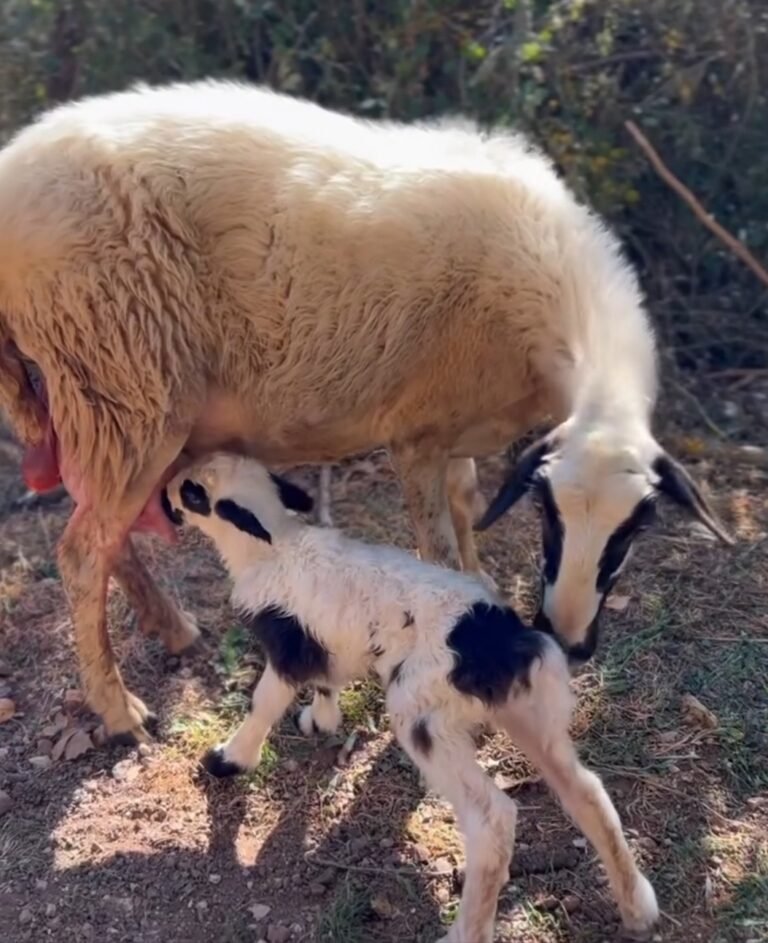
Livestock farming has for decades been one of the main pillars of life in Leontio. The village’s livestock farmers shaped the daily rhythm of the community, living in close connection with the landscape, their herds, and the changing seasons. The surrounding mountains, pastures, and paths were not merely part of the natural environment, but a space of work, knowledge, and survival.
The life of the livestock farmer required endurance, patience, and a deep understanding of nature. From the first light of day until sunset, the care of the animals defined the daily routine, regardless of weather conditions or hardship. Experience was passed down from generation to generation through daily practice, quiet observation, and respect for the unwritten rules of the land.
Around livestock farming, customs and collective practices developed that strengthened the bonds of the community. The production of dairy products, the seasonal movement of herds, and shared work in the animal shelters were moments of cooperation and solidarity. These practices served not only survival but also shaped a common way of life.
The images of this place preserve memories of a world that has changed, yet left a deep imprint on the identity of Leontio. Livestock farming and the people who practiced it remain part of the village’s history—a quiet but essential heritage that continues to define the character of the area.
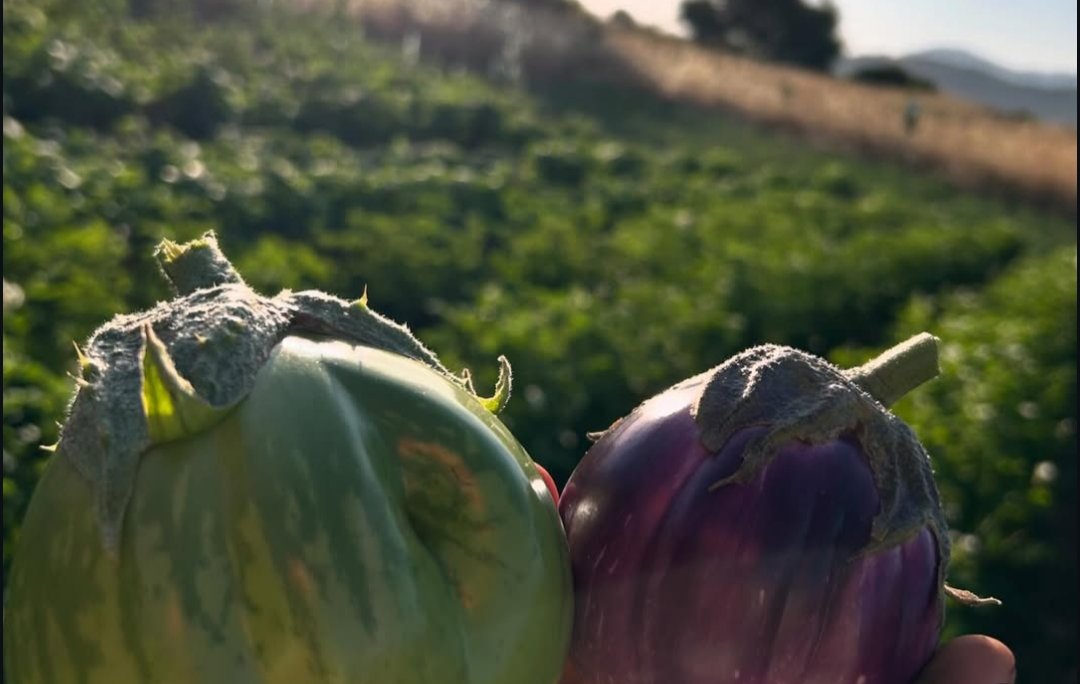
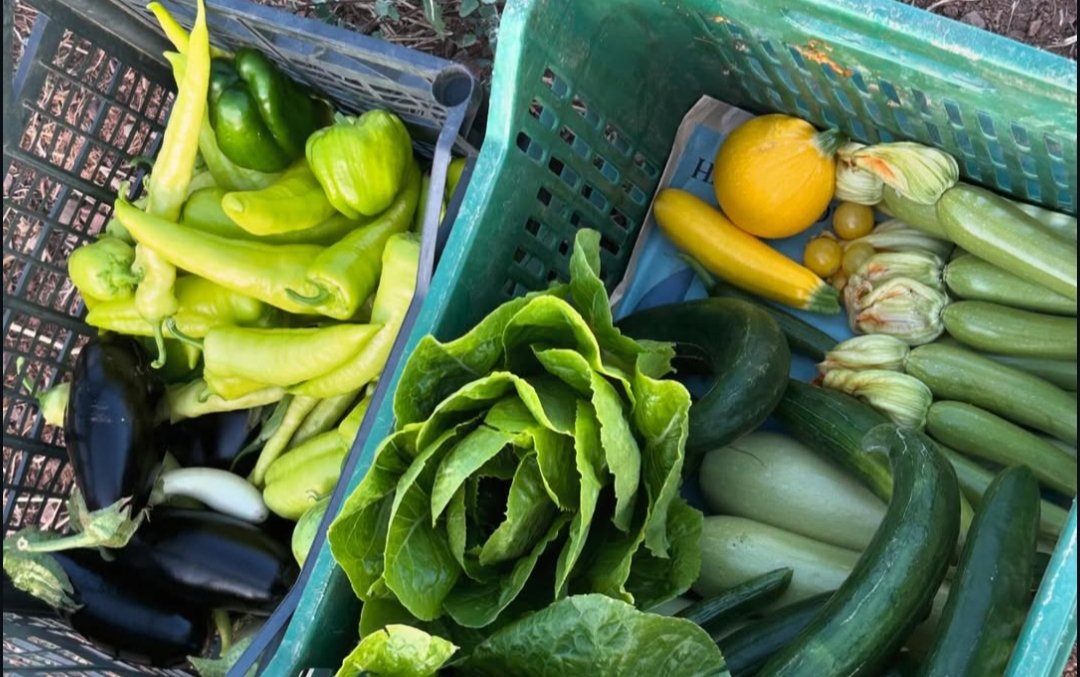
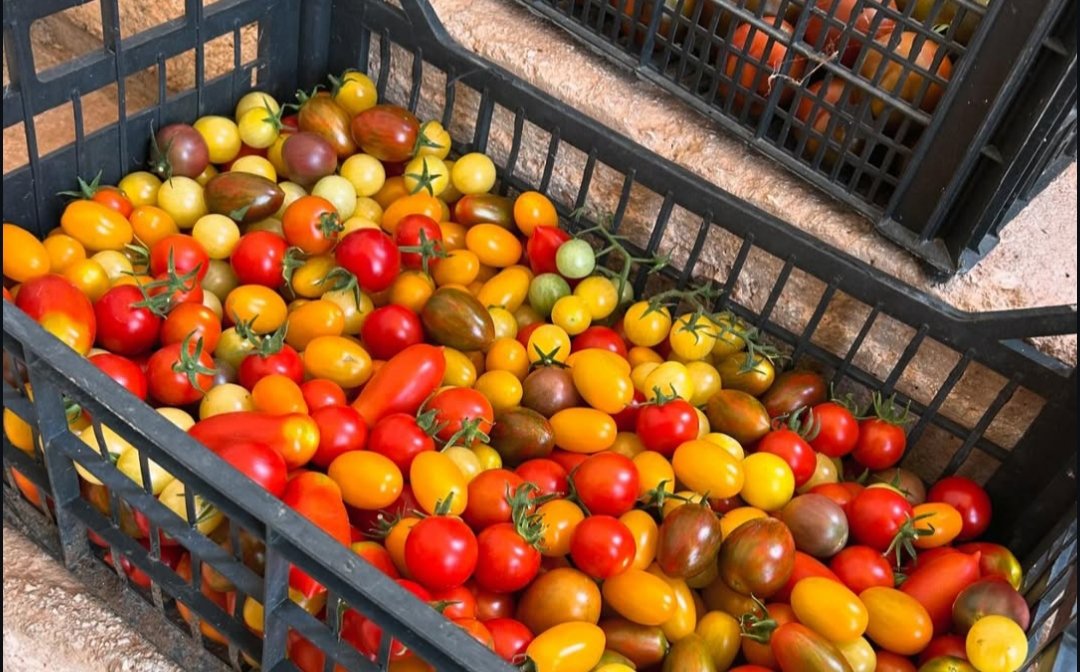
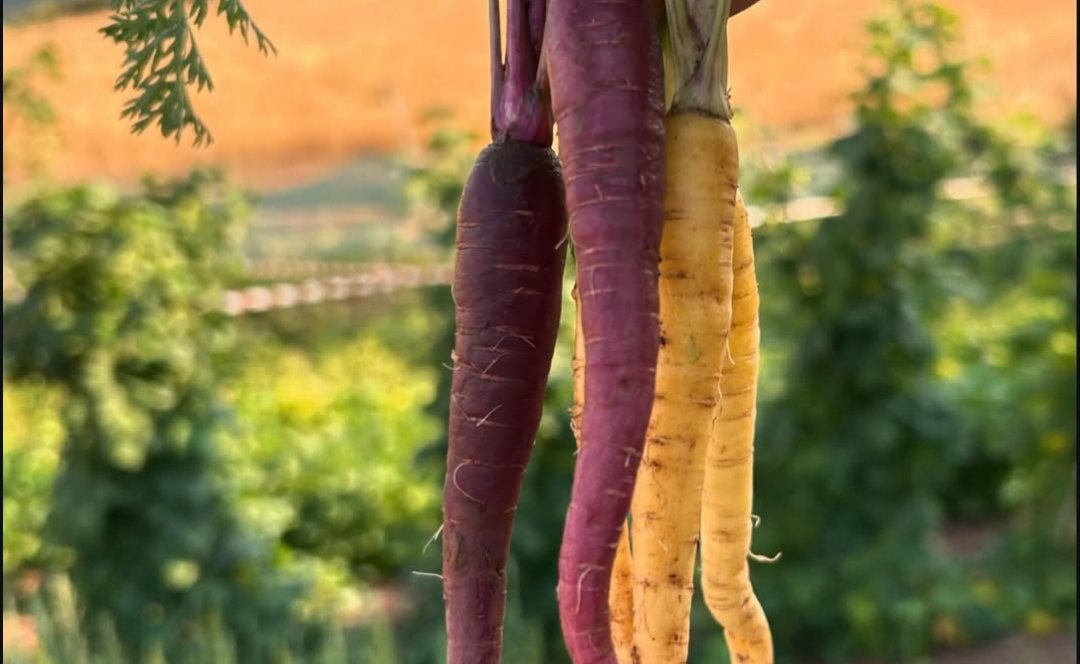
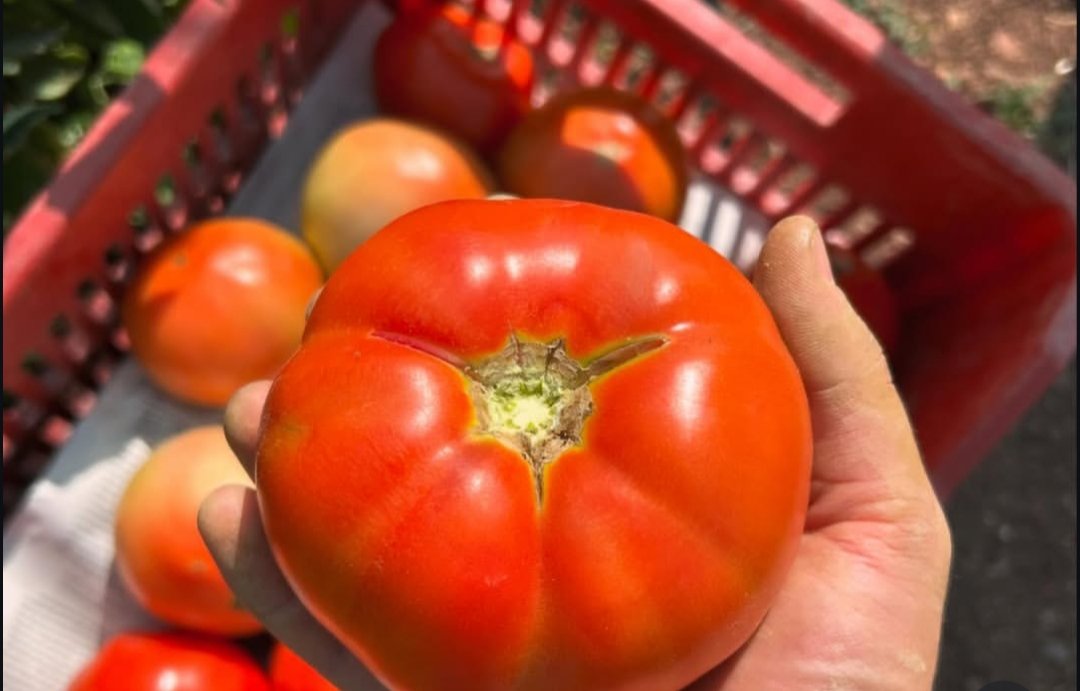
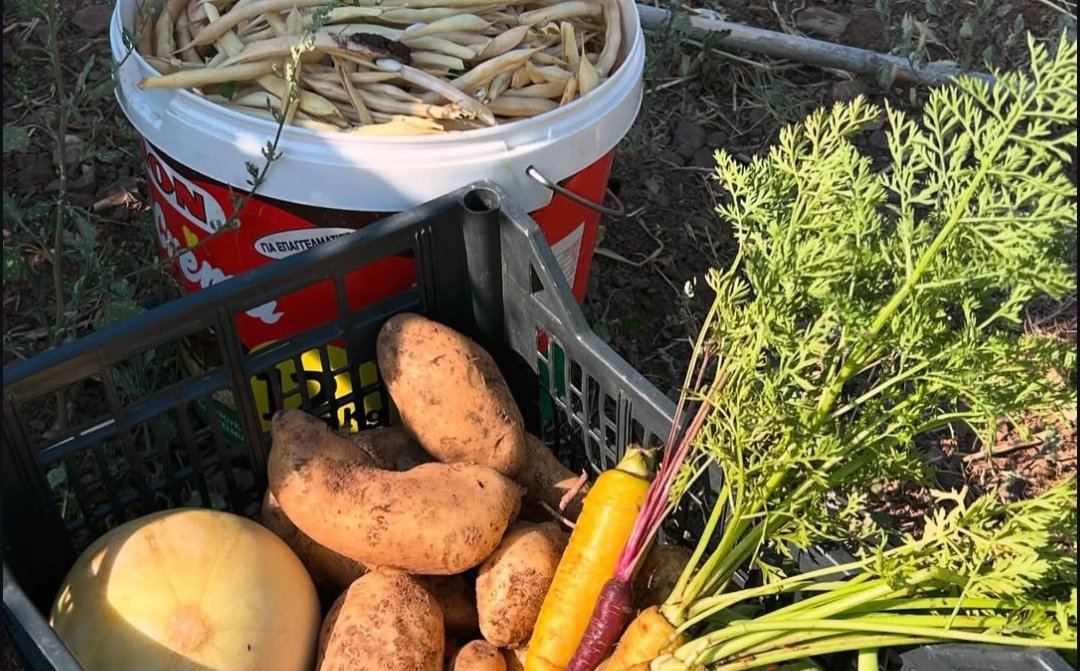
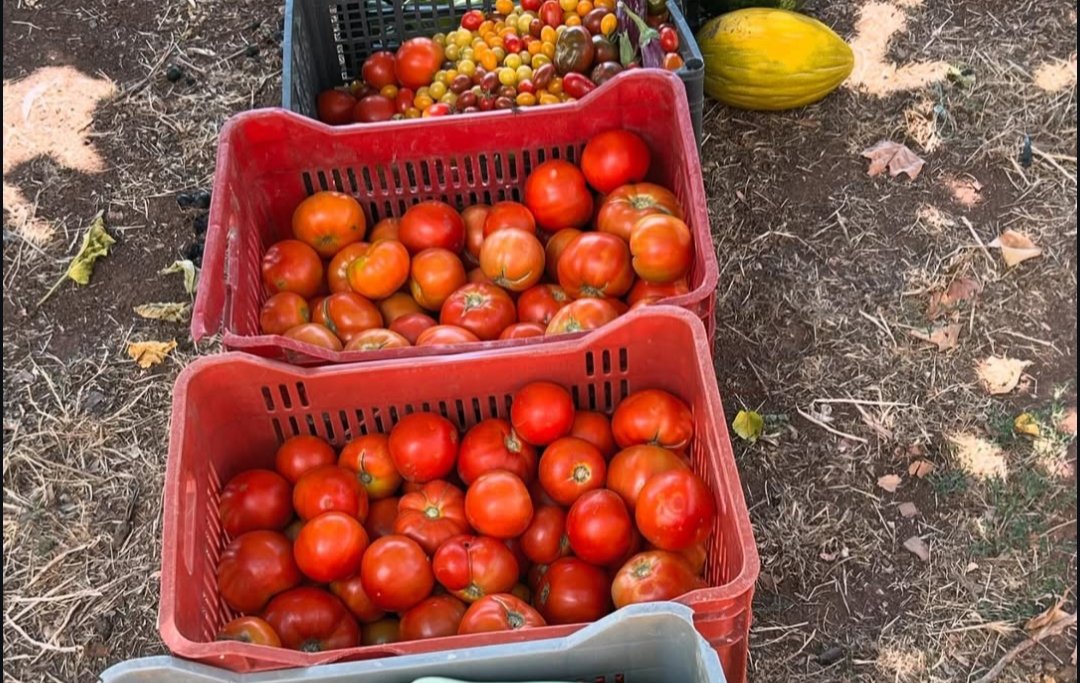
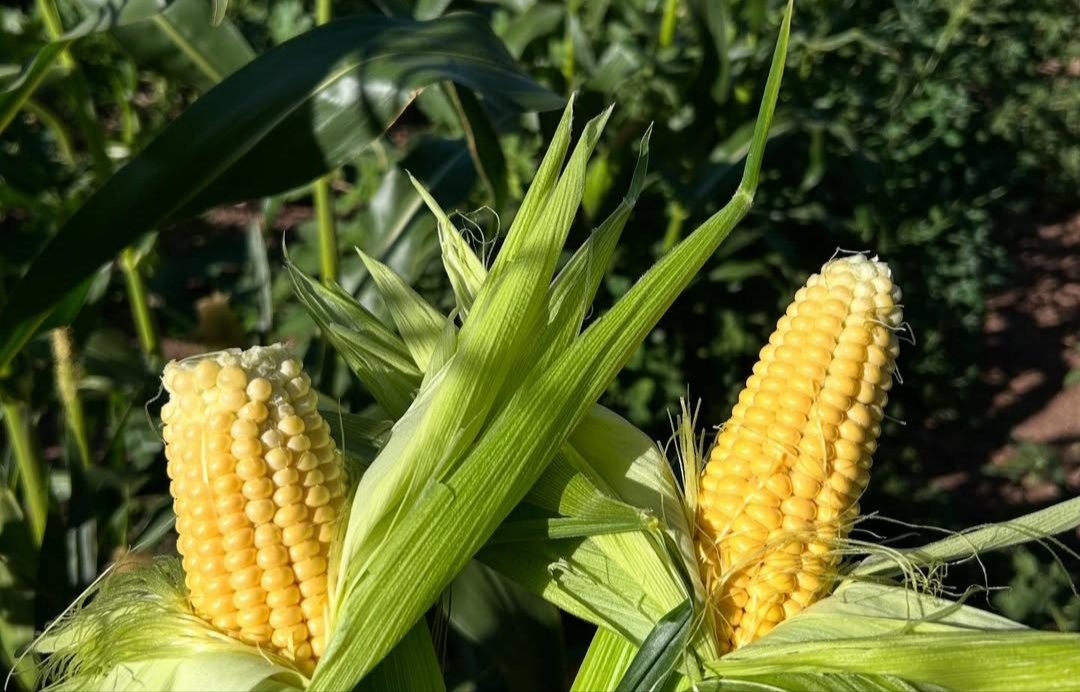
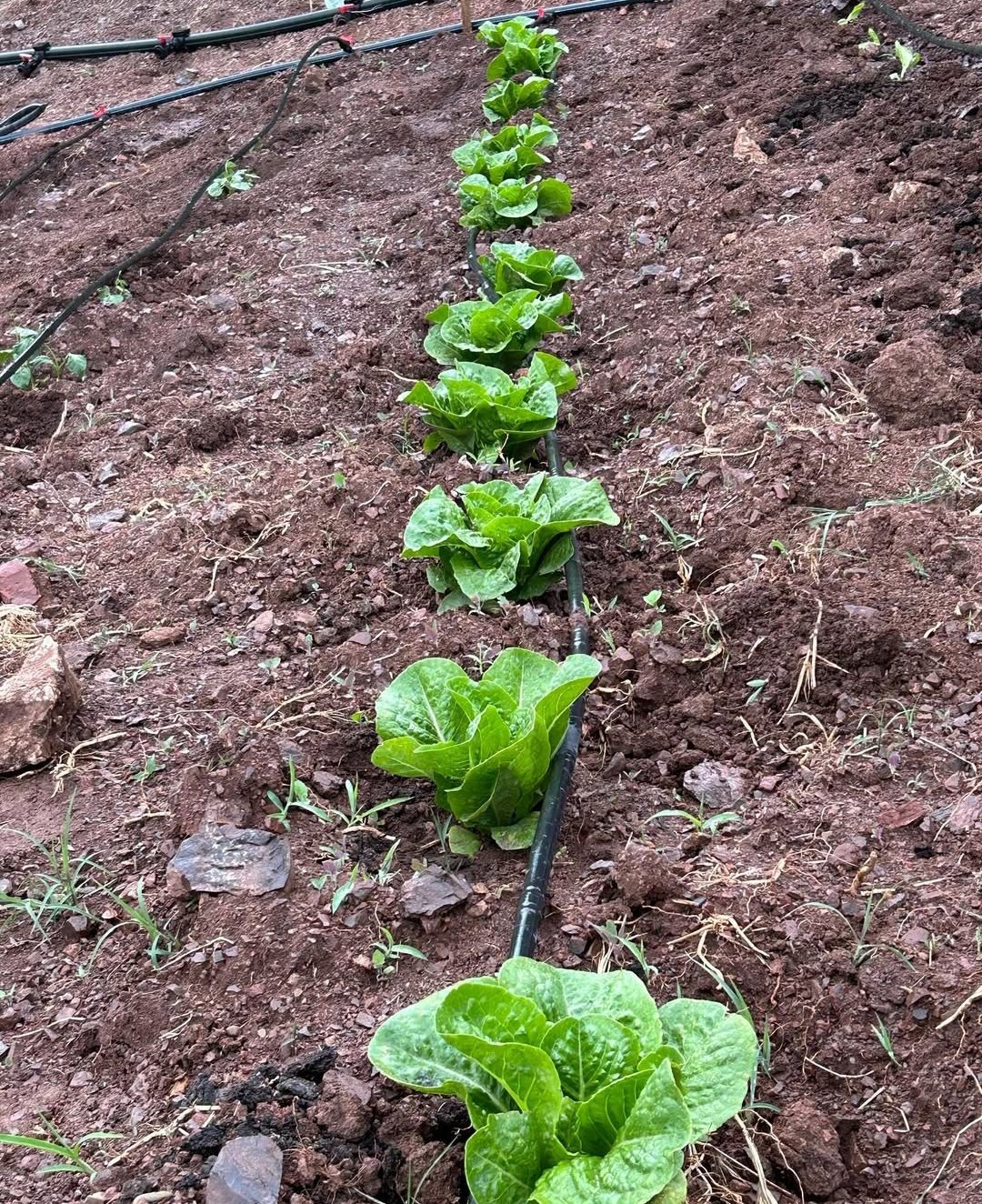
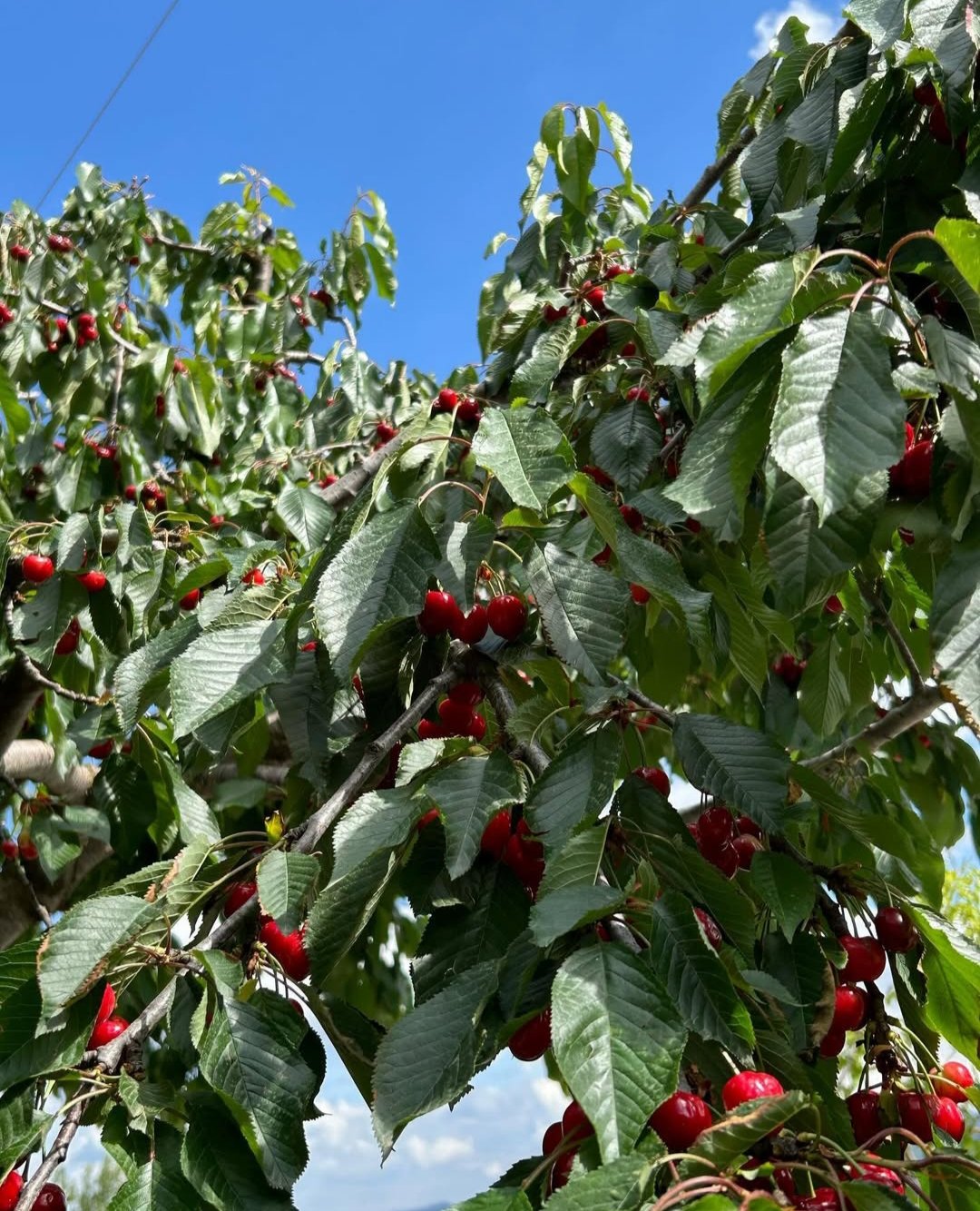
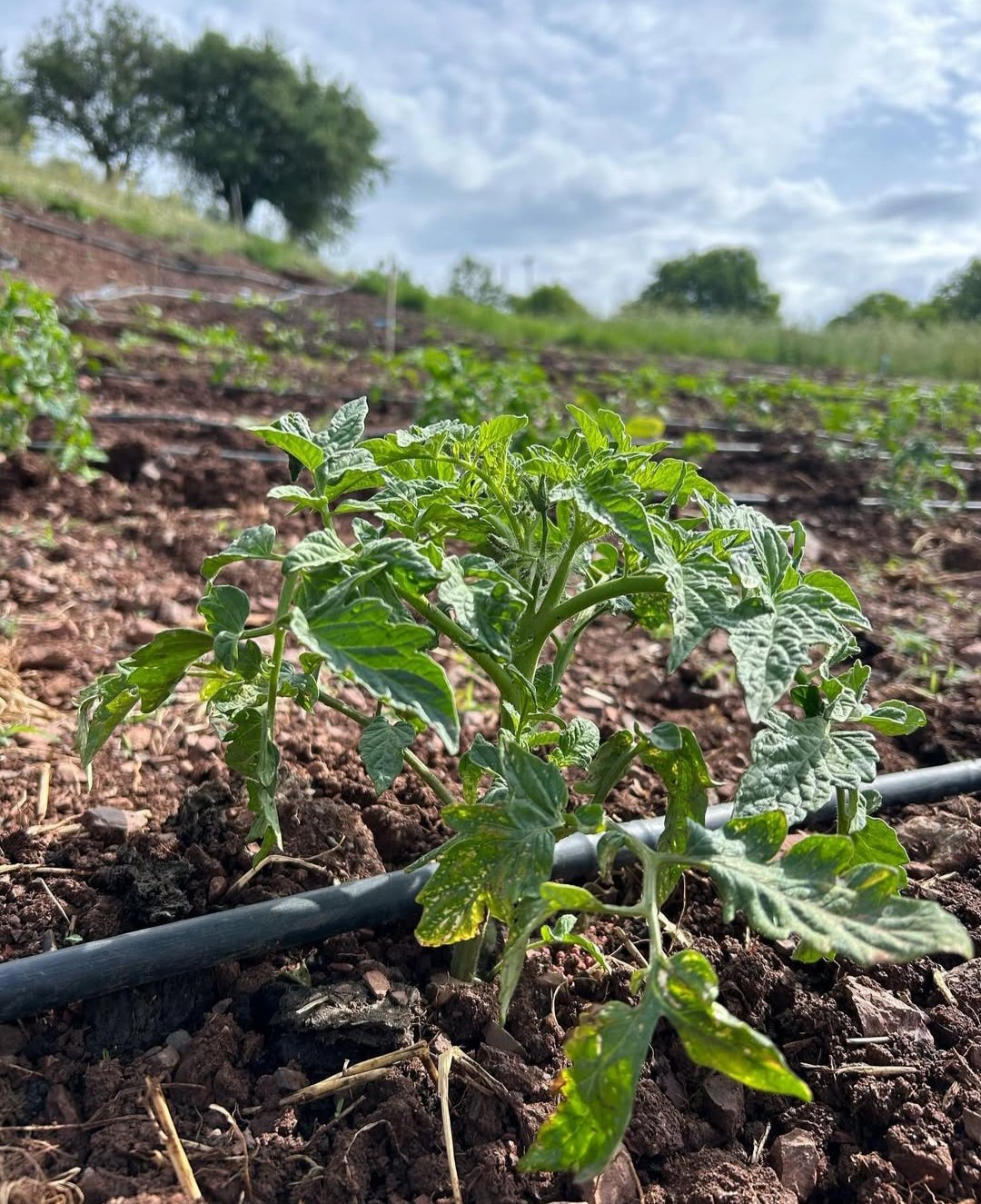
Cultivation and agriculture have long formed a fundamental part of life in Leontio. The farmers of the village shaped the landscape through their daily work, tending the land with care and patience, in rhythm with the seasons. Fields, terraces, and cultivated plots were not simply places of production, but living spaces that sustained families and defined the character of the countryside.
Agricultural life demanded dedication, physical labor, and an intimate knowledge of the soil and climate. Sowing, harvesting, and seasonal preparation followed a cycle shaped by experience and tradition. Skills and practices were passed down through generations, rooted in observation, manual work, and respect for the land’s natural limits.
Around agricultural work developed shared customs and collective efforts that strengthened the sense of community. Harvest time, the care of crops, and the exchange of labor and knowledge brought people together, reinforcing bonds of cooperation and mutual support. These moments were essential not only for productivity, but also for preserving a shared way of life.
The images of cultivated land preserve traces of a world that has evolved over time, yet remains deeply connected to the identity of Leontio. Agriculture and those who practiced it are an integral part of the village’s history, a living heritage that continues to shape both the landscape and the spirit of the place.
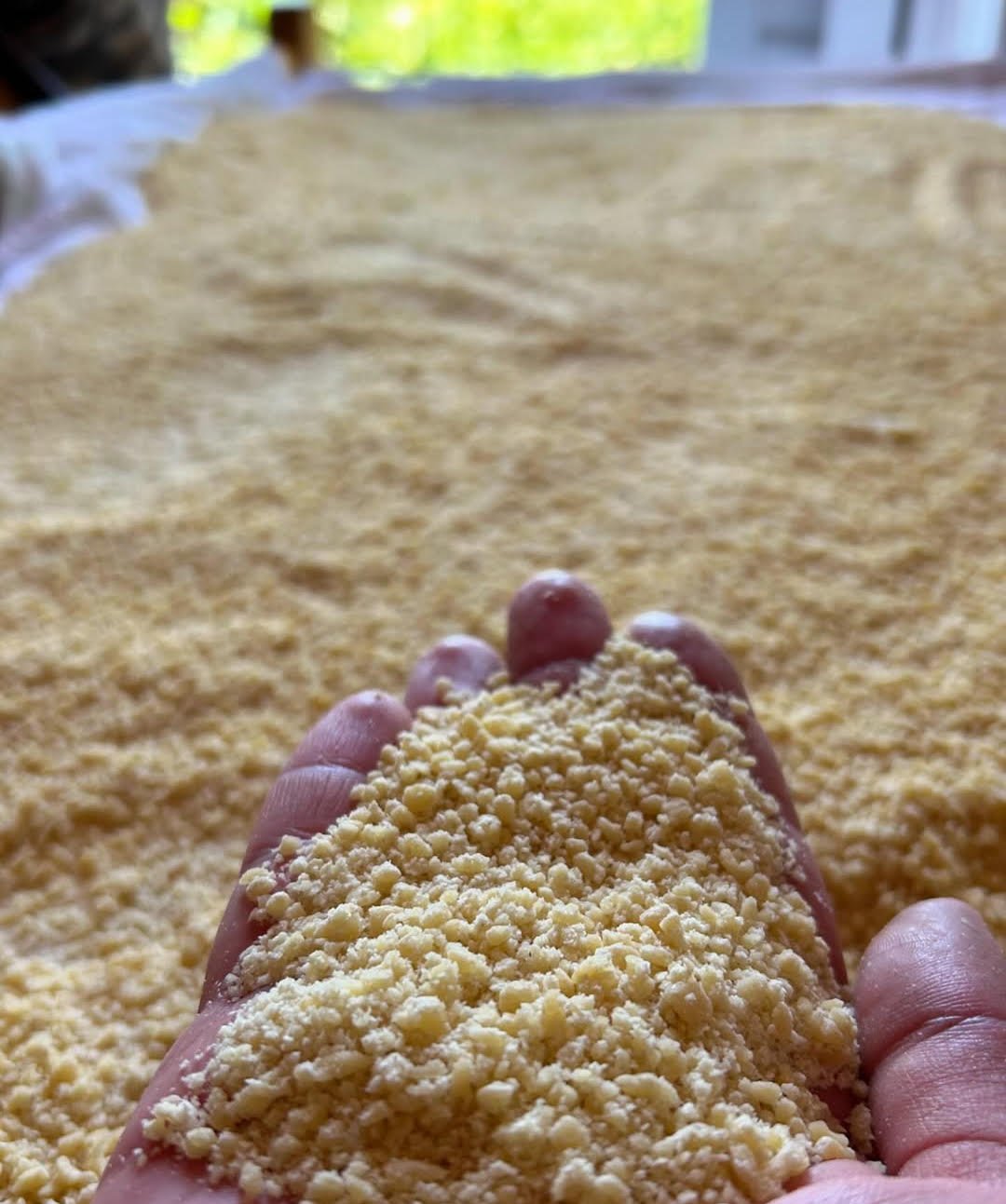
In Leontio, the preparation of traditional foods has long been a central part of everyday life. Local households, led primarily by the women of the village, prepared their own ingredients with care and skill. Homemade pasta, known locally as “toutoumakia” (chilopites), along with trahana and other traditional staples, were made by hand, following practices rooted in experience and family tradition.
These preparations were more than simple culinary tasks; they reflected self-sufficiency, shared knowledge, and respect for seasonal rhythms. The careful selection of ingredients, the time devoted to preparation, and the preservation of these foods ensured nourishment throughout the year. The images connected to these practices preserve a quiet yet essential aspect of life in Leontio, where tradition, labor, and everyday sustenance came together in a lasting cultural legacy.
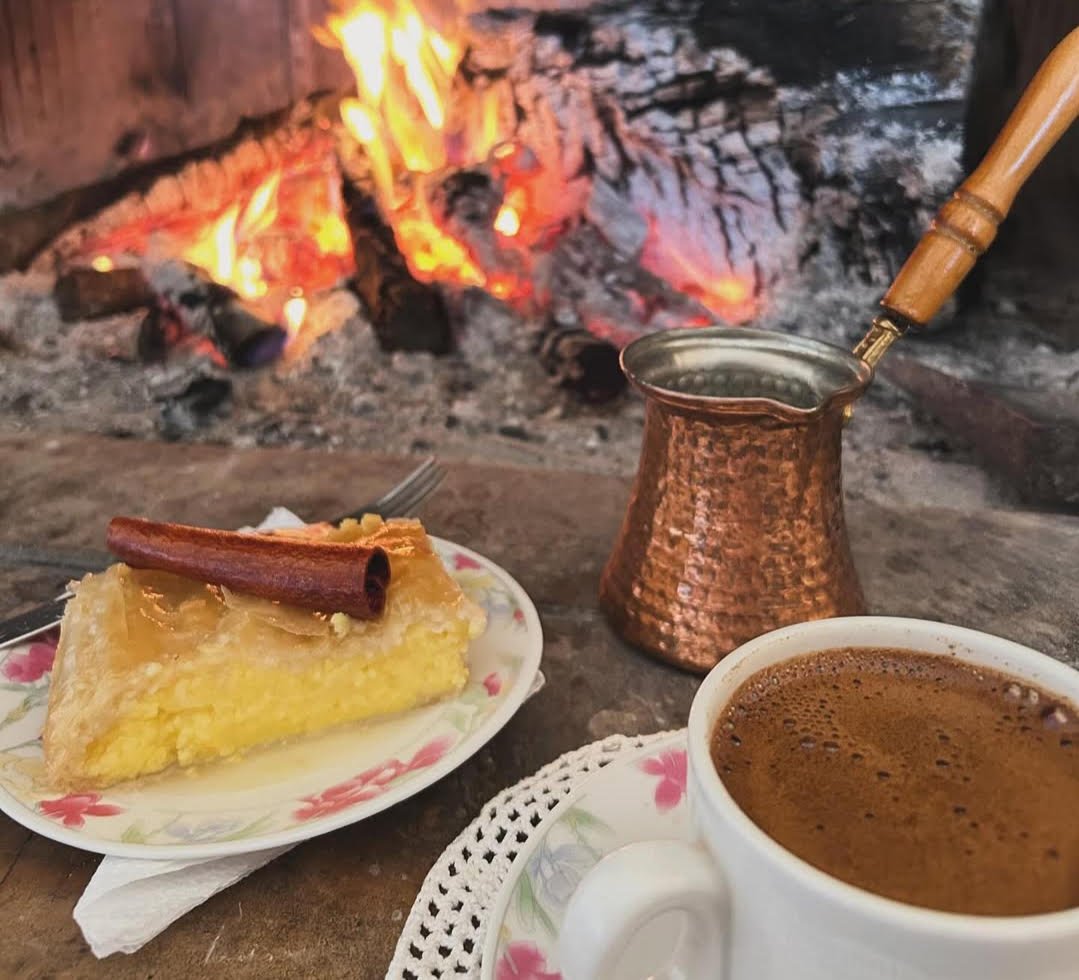
For the people of Leontio, traditional Greek coffee has long been part of everyday routine. Enjoyed early in the morning before heading to work, or later in the day at the village’s traditional cafés, coffee offered a moment of pause and connection. Whether shared in quiet preparation at home or in conversation at the kafeneio, this simple ritual reflected the rhythm of daily life and the close-knit character of the community.
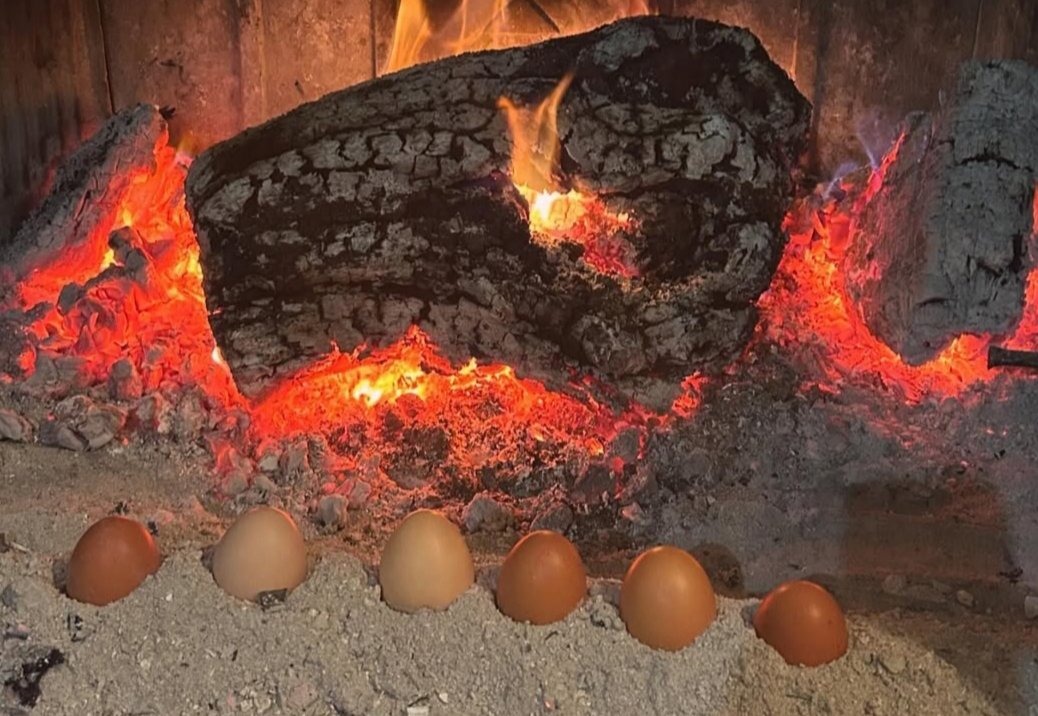
In Leontio, the “egg of Tyrofagou” is a traditional custom tied to family gathering and symbolism. Families come together around the fireplace, mixing ash with embers and placing one egg for each family member into the hearth. As they wait, they watch closely to see which egg will “sweat” first. According to tradition, the egg that sweats belongs to the hardest-working member of the household, while a cracked egg is said to mean that one’s enemies have met their fate. Beyond the playful ritual, the egg carries deeper meaning, marking the final rich food before the fasting period of Lent begins, which will last until Easter, when the red egg of Resurrection signals the end of abstinence and the arrival of renewal.
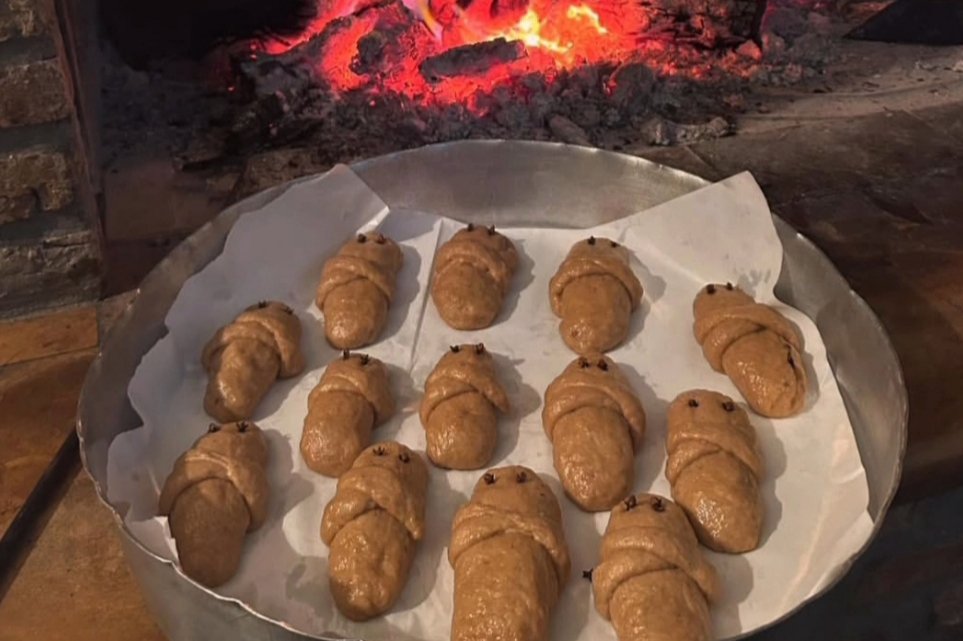
In Leontio, Lazarakia are small, human-shaped bread rolls that symbolize the Resurrection. Prepared during the fasting period, they are lightly sweet and made according to long-standing tradition. As local custom holds, those who do not make Lazarakia will not have bread to sustain them. Families often prepare them together with their children, keeping the tradition alive while remembering the songs of Lazarus, turning the act of baking into a moment of shared memory, faith, and continuity within the village.
For the people of Leontio, traditional Greek coffee has long been part of everyday routine. Enjoyed early in the morning before heading to work, or later in the day at the village’s traditional cafés, coffee offered a moment of pause and connection. Whether shared in quiet preparation at home or in conversation at the kafeneio, this simple ritual reflected the rhythm of daily life and the close-knit character of the community.
In Leontio, the “egg of Tyrofagou” is a traditional custom tied to family gathering and symbolism. Families come together around the fireplace, mixing ash with embers and placing one egg for each family member into the hearth. As they wait, they watch closely to see which egg will “sweat” first. According to tradition, the egg that sweats belongs to the hardest-working member of the household, while a cracked egg is said to mean that one’s enemies have met their fate. Beyond the playful ritual, the egg carries deeper meaning, marking the final rich food before the fasting period of Lent begins, which will last until Easter, when the red egg of Resurrection signals the end of abstinence and the arrival of renewal.
In Leontio, Lazarakia are small, human-shaped bread rolls that symbolize the Resurrection. Prepared during the fasting period, they are lightly sweet and made according to long-standing tradition. As local custom holds, those who do not make Lazarakia will not have bread to sustain them. Families often prepare them together with their children, keeping the tradition alive while remembering the songs of Lazarus, turning the act of baking into a moment of shared memory, faith, and continuity within the village.
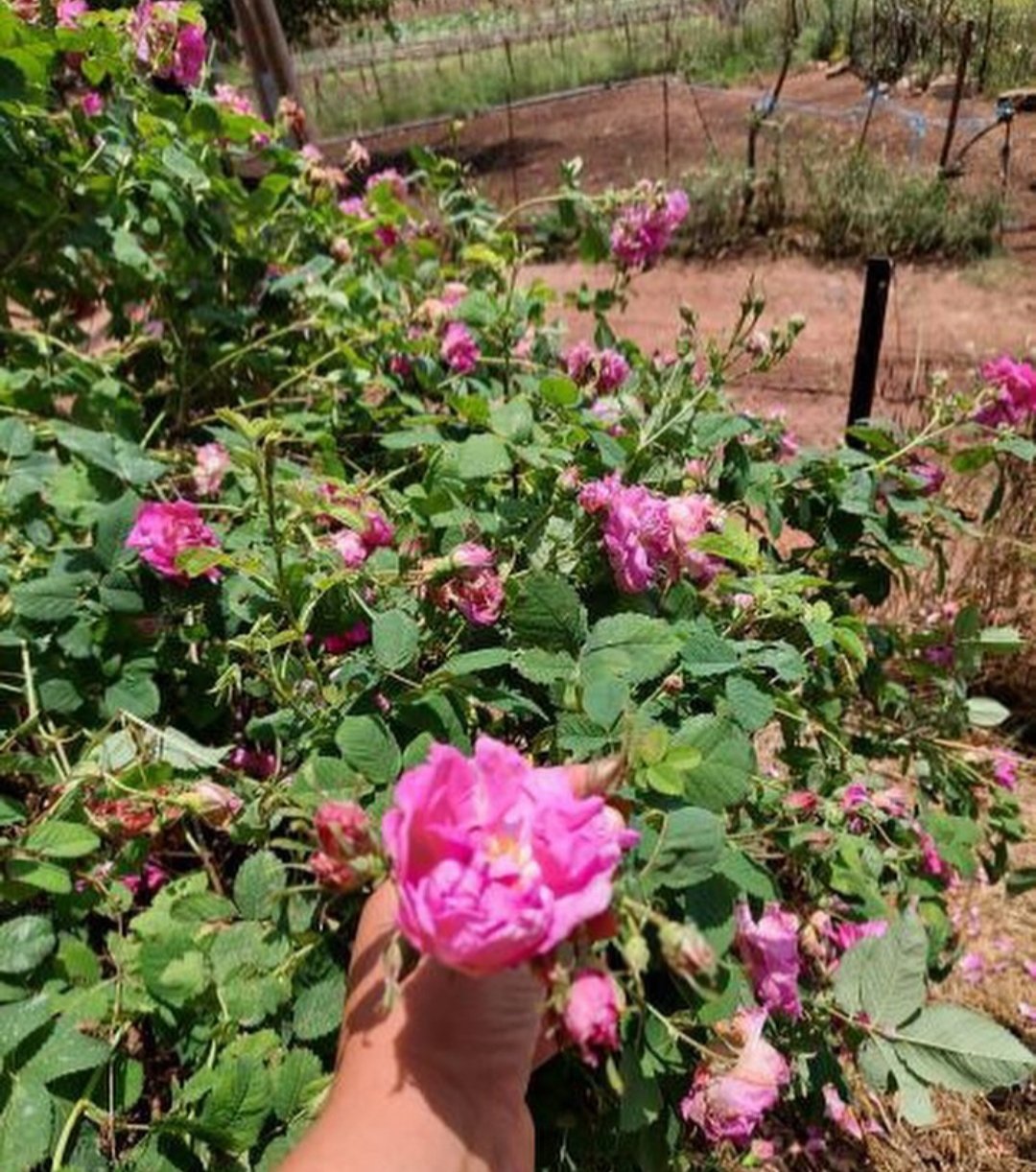
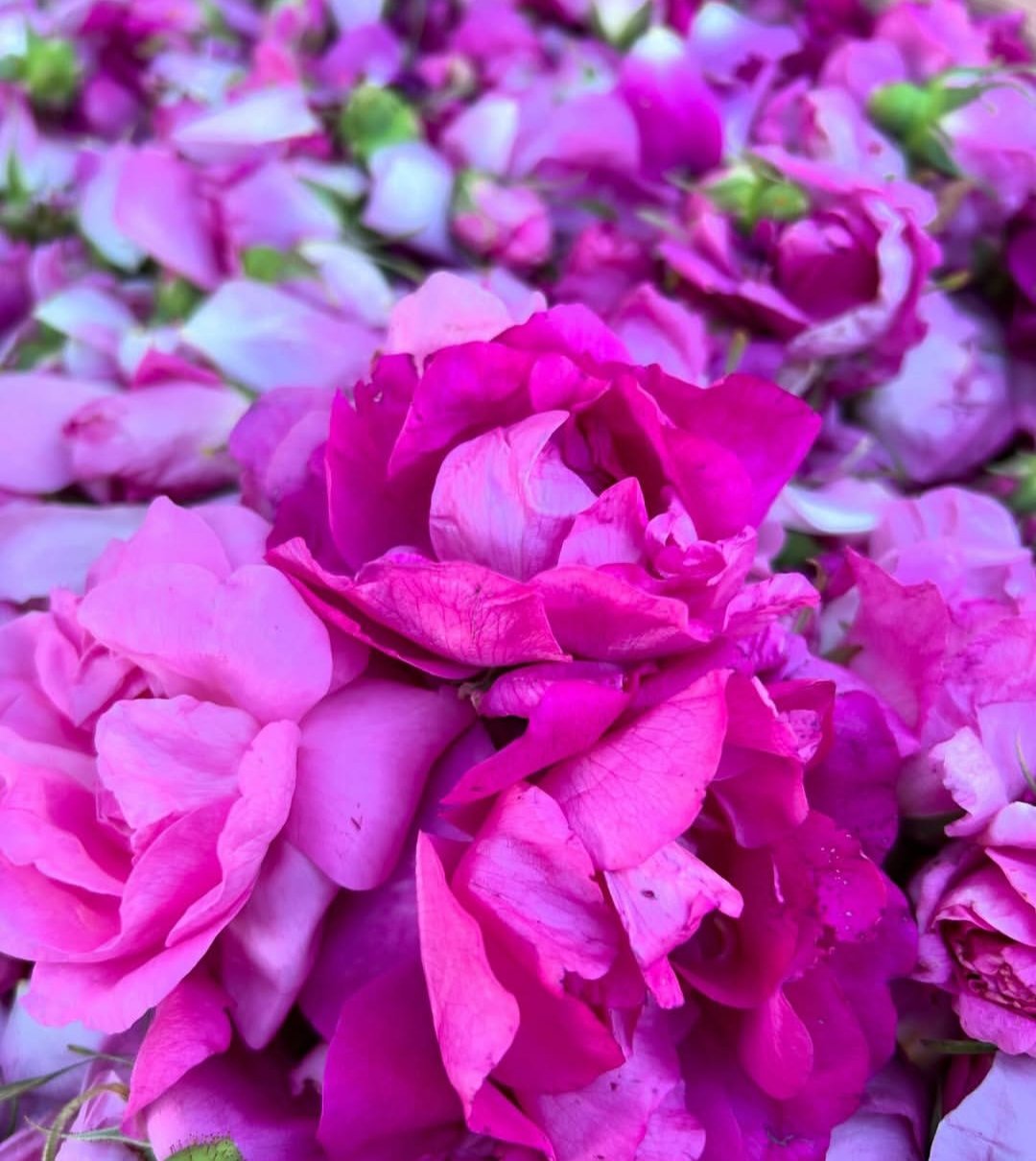
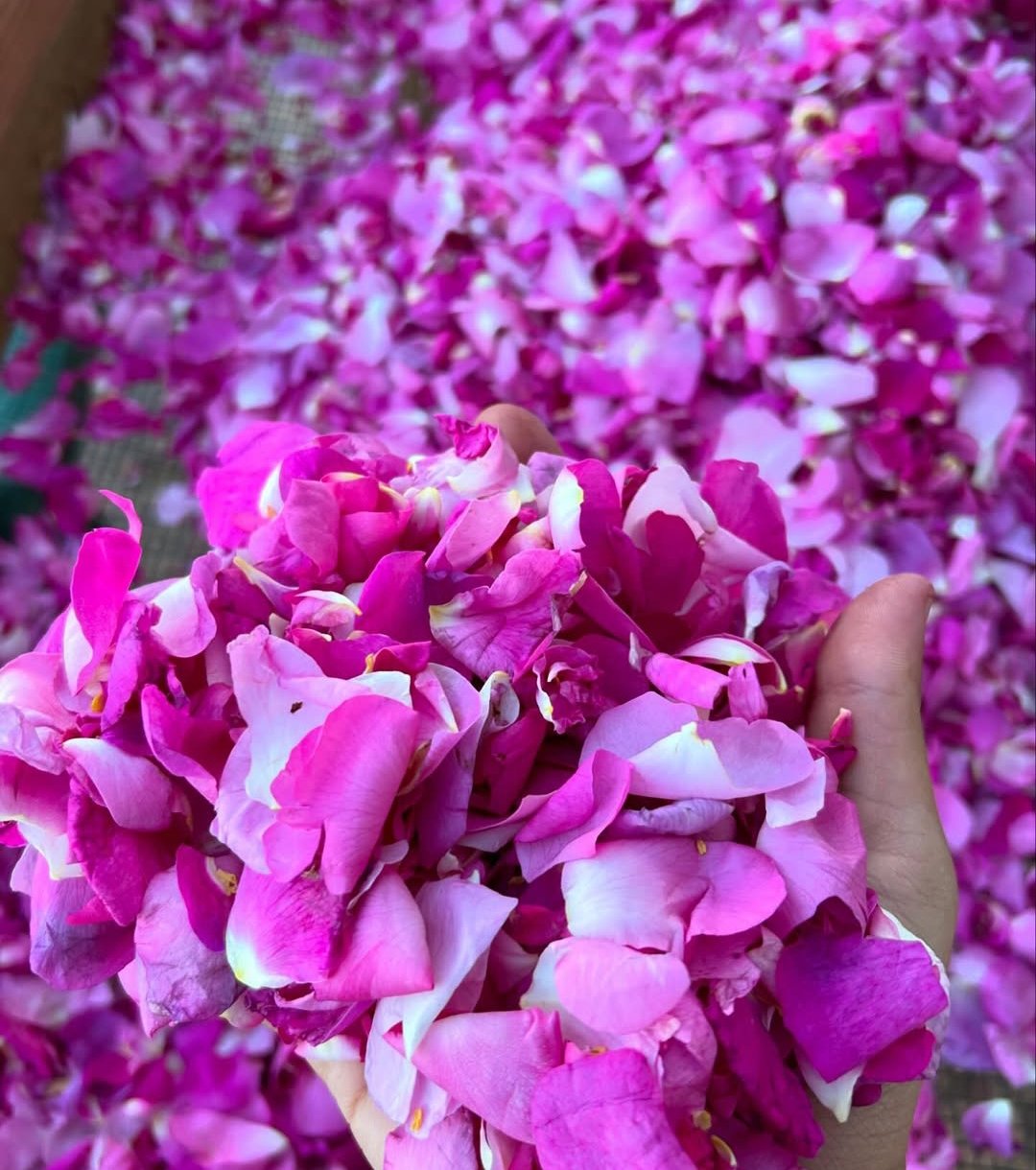
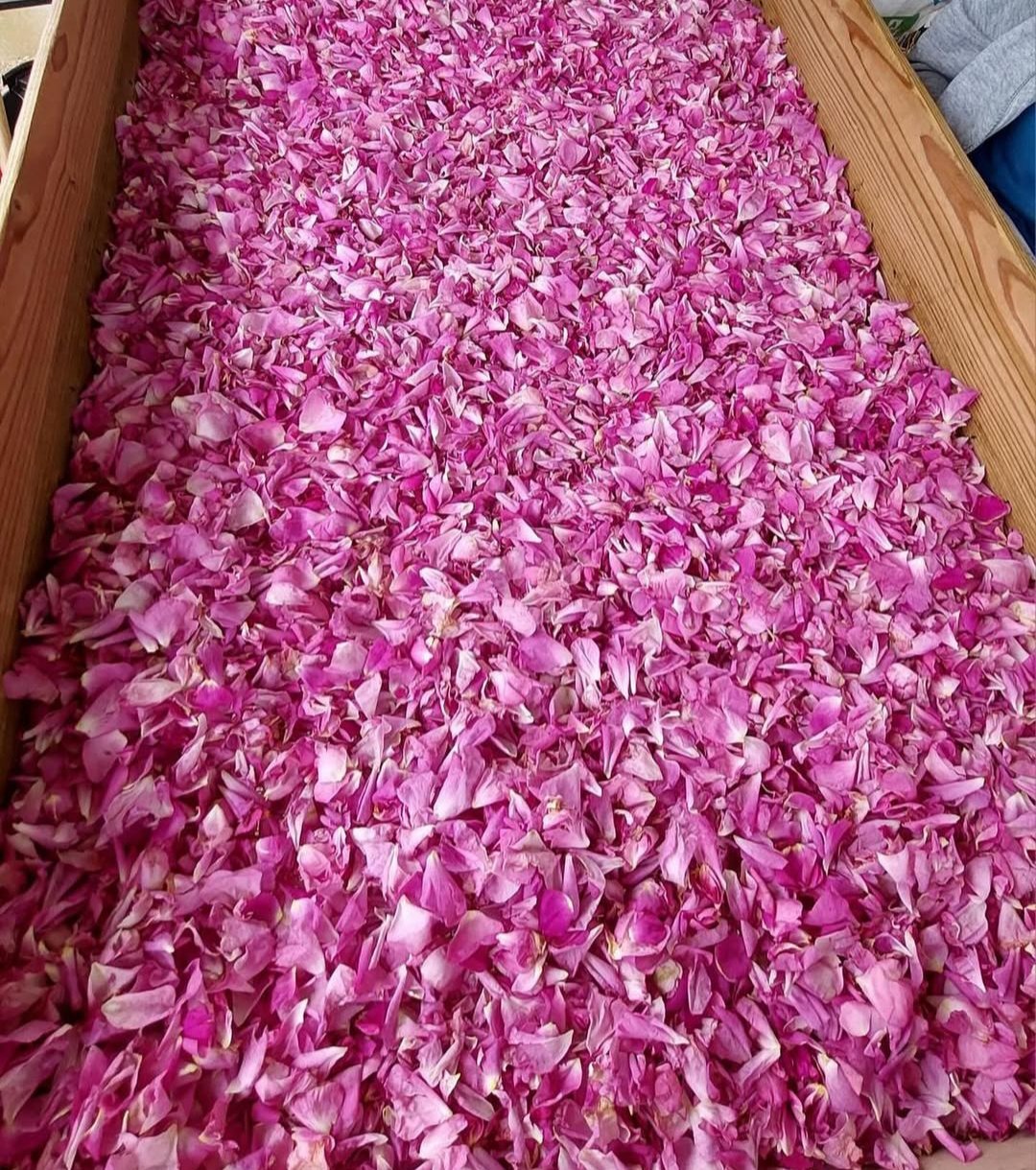
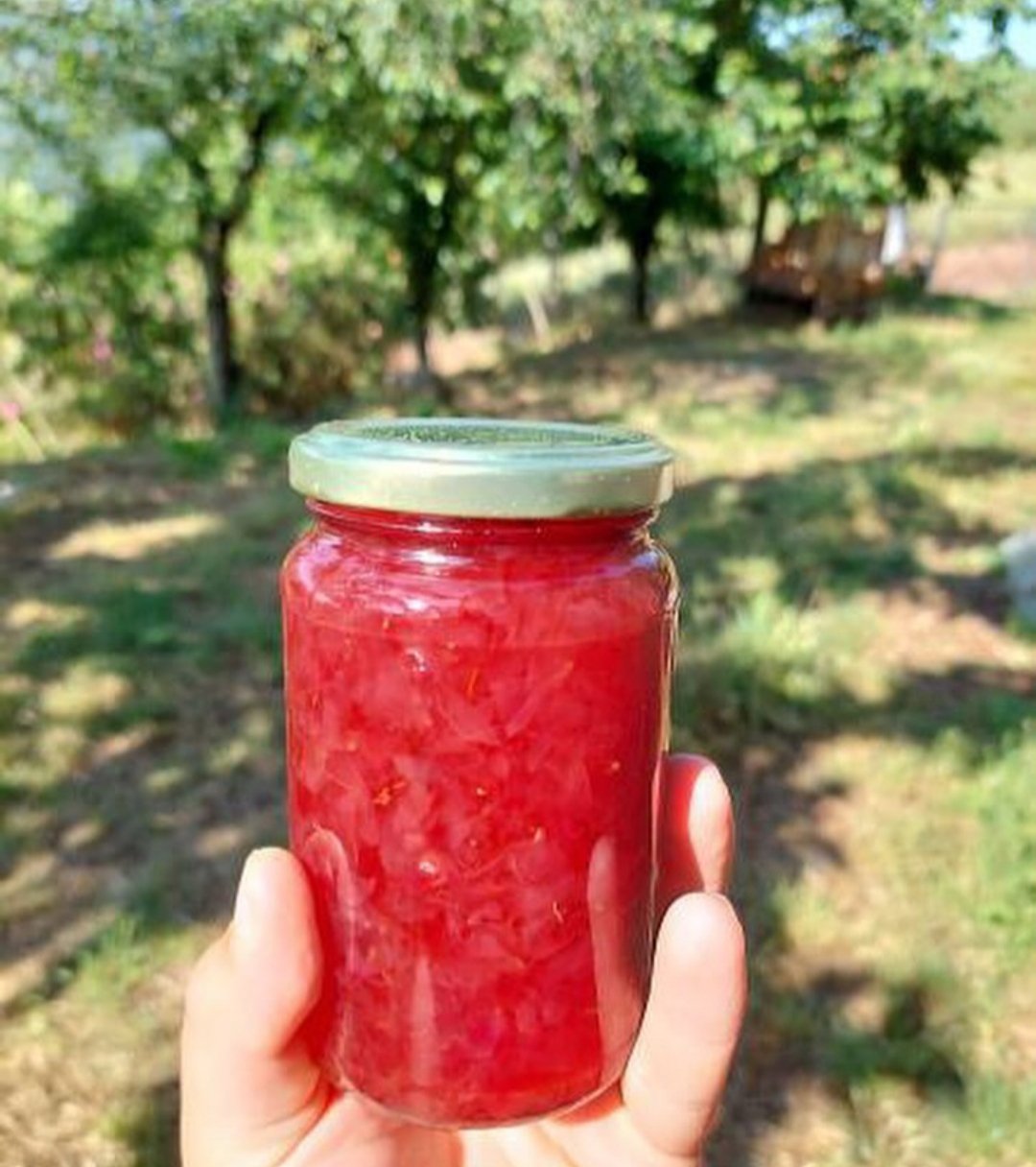
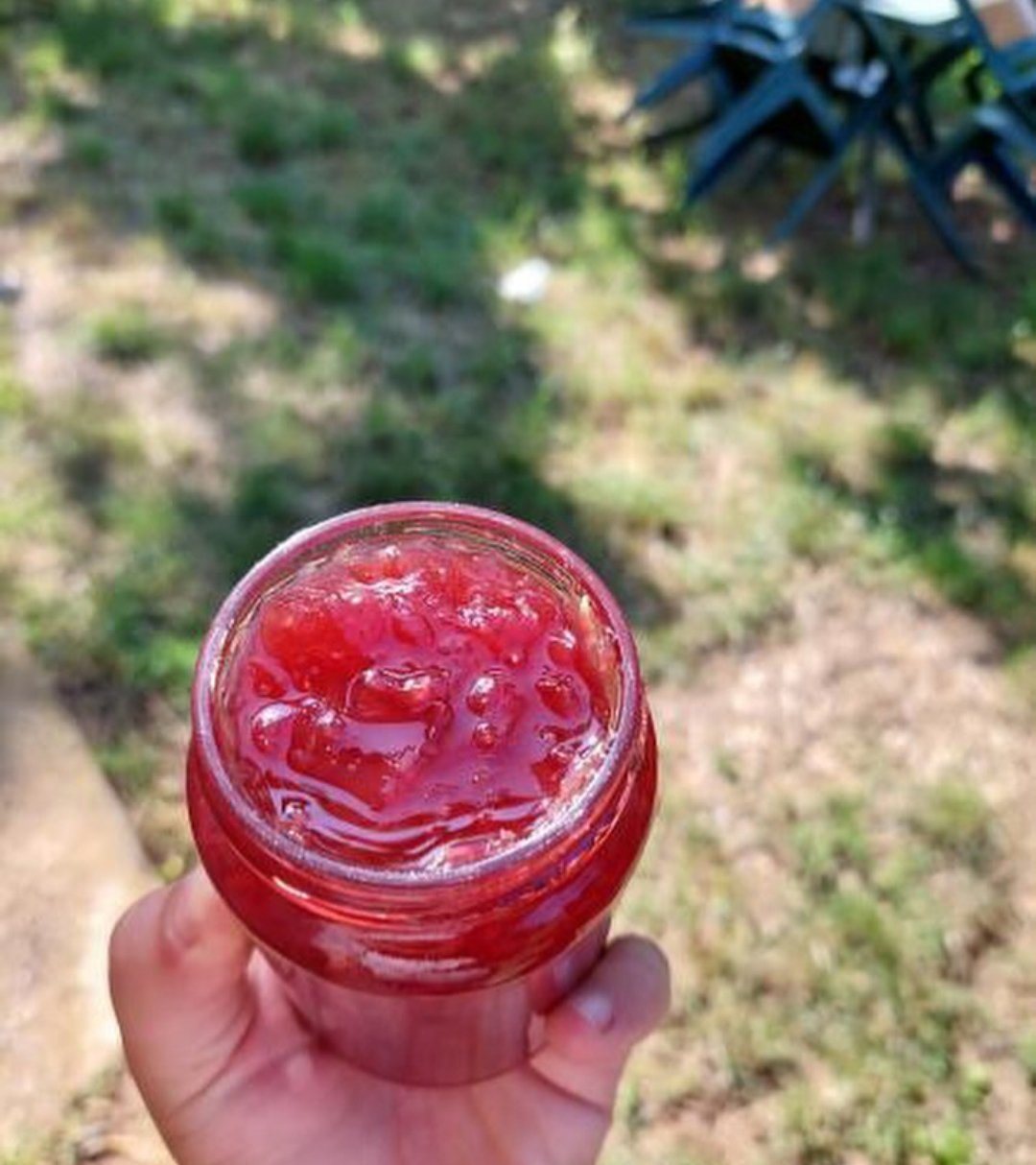
In Leontio, the preparation of spoon sweets has long been a cherished tradition rooted in care, patience, and hospitality. Among them, rose preserve holds a special place, made from carefully gathered petals and prepared by hand in village homes. These sweets were created slowly and thoughtfully, following methods passed down through generations, preserving both seasonal flavors and the knowledge of the past.
Spoon sweets were not only a way to enjoy fruit and flowers throughout the year, but also a symbol of welcome. Offered to visitors as a gesture of hospitality, often accompanied by a glass of cold water, they expressed warmth, respect, and generosity. This simple act of offering reflects the spirit of Leontio, where tradition, taste, and human connection come together in everyday life.
Leontio is a mountain village in the region of Achaea, Greece, nestled on the southern foothills of the Panachaiko at around 750–800 meters elevation, where nature’s beauty is striking and abundant. The area is surrounded by lush greenery, flowing streams, and numerous crystal-clear springs that have sustained life in the region for centuries, creating an atmosphere of tranquility and refreshment for both residents and visitors alike. The rolling hills, forested paths, and mountain views make Leontio a perfect place to explore the natural landscape of the Peloponnese.
Beyond its natural charms, Leontio has a deeply rooted history that stretches back to antiquity. The nearby site of ancient Leontium was an important settlement in ancient Achaea, flourishing especially in the 4th century BC as a fortified city on the border between Achaea and Arcadia, and archaeological remains such as Mycenaean tombs, city walls, and an ancient Greek theatre still speak to its past. Today these remnants, along with the enduring spirit of the village, connect modern visitors to centuries of human story, blending the timeless rhythms of nature with echoes of history in every corner of Leontio.